Preparing for the New Wave of AI: How It Will Transform Work and Work Management
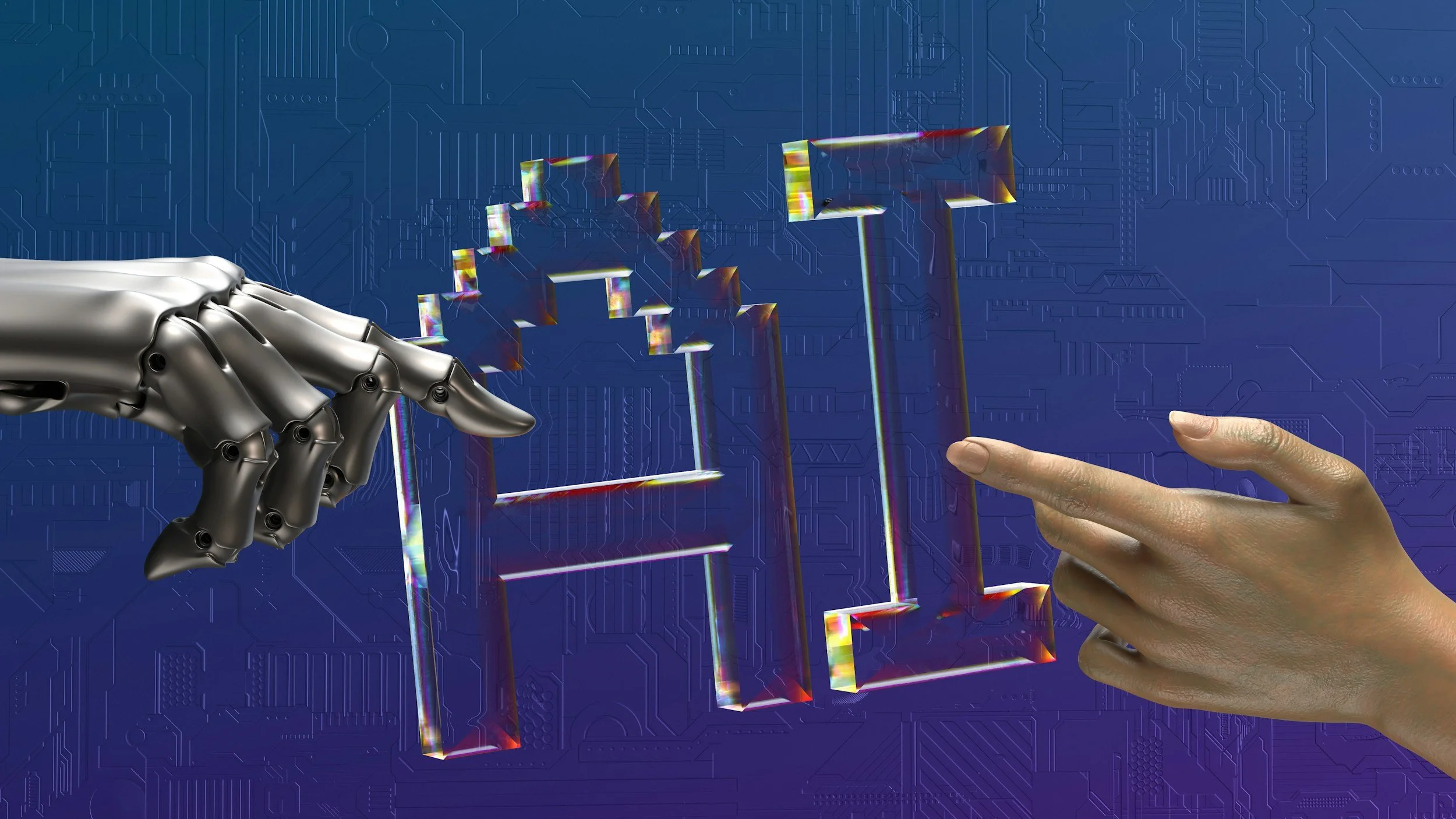
Artificial Intelligence is no longer a future technology—it is becoming a fundamental part of how businesses operate. While the first wave of AI focused on automation, chatbots, and productivity tools, the next wave will reshape how work is planned, executed, managed, and measured.
Organizations that prepare today will gain a significant advantage in productivity, decision-making, and innovation. Those that delay may find themselves struggling to compete in an increasingly AI-driven business environment.
The New Wave of AI Is Different
The current generation of AI can already generate content, analyze data, write code, summarize meetings, and answer complex questions. However, the next wave of AI goes beyond assisting individuals.
AI is evolving into an active participant in the workplace. Instead of simply responding to requests, AI systems will:
Manage routine workflows
Coordinate tasks across teams
Monitor project progress
Identify risks before they become problems
Recommend actions based on real-time data
Serve as digital teammates supporting human workers
This shift represents a move from AI as a tool to AI as a collaborator.
How AI Will Change the Way We Work
1. Less Time on Administrative Tasks
Employees spend a significant portion of their day on repetitive activities such as updating reports, scheduling meetings, documenting progress, and searching for information.
AI will automate many of these tasks, allowing employees to focus on higher-value work such as strategy, creativity, problem-solving, and customer engagement.
The result will be increased productivity and reduced operational overhead.
2. Faster and Better Decision-Making
Modern organizations generate enormous amounts of data, but turning that data into actionable insights remains challenging.
AI can continuously analyze business data and provide recommendations in real time. Managers will have access to faster insights, enabling quicker responses to market changes, customer needs, and operational challenges.
Decision-making will become more data-driven and less dependent on manual reporting cycles.
3. New Skills Will Become Essential
As AI takes over repetitive tasks, the value of uniquely human capabilities will increase.
Future employees will need stronger skills in:
Critical thinking
Strategic planning
Creativity
Relationship management
AI collaboration
Data interpretation
The most successful professionals will not be those who compete with AI, but those who learn how to work effectively alongside it.
The Impact of AI on Work Management
Perhaps the most significant transformation will occur in work management.
Traditional work management relies on manual planning, task tracking, status updates, and reporting. AI will make these processes more intelligent and proactive.
Intelligent Project Planning
AI will help managers create project plans by analyzing historical data, resource availability, risks, and dependencies.
Instead of building plans from scratch, teams will receive AI-generated recommendations that can be adjusted based on business priorities.
Automated Progress Tracking
AI can monitor project activities across collaboration platforms, emails, documents, and task management systems.
Rather than asking team members for status updates, managers can receive real-time visibility into project health, bottlenecks, and completion forecasts.
Predictive Risk Management
One of the most valuable capabilities of future AI systems will be risk prediction.
AI can identify patterns that indicate:
Potential project delays
Resource shortages
Budget overruns
Customer satisfaction issues
Operational disruptions
This enables leaders to take action before problems escalate.
Smarter Resource Allocation
AI will help organizations optimize workforce allocation by matching skills, workloads, priorities, and project requirements.
This can improve productivity while reducing employee burnout and resource conflicts.
What Companies Should Do Now
Preparing for the AI era requires more than purchasing new technology. It requires organizational readiness.
Build AI Literacy
Employees at all levels should understand what AI can and cannot do. Basic AI literacy will become as important as digital literacy.
Review Business Processes
Identify repetitive, manual, and data-intensive processes that could benefit from AI-powered automation.
Strengthen Data Foundations
AI systems depend on quality data. Organizations should invest in data governance, integration, and accessibility.
Experiment and Learn
Rather than waiting for perfect solutions, companies should begin with pilot projects, learn from experience, and scale successful initiatives.
Focus on Human-AI Collaboration
The goal is not to replace people. The goal is to create teams where humans and AI work together, combining efficiency with creativity, judgment, and empathy.
Looking Ahead
The next wave of AI will fundamentally reshape how organizations operate. Work will become more intelligent, workflows more automated, and decision-making more data-driven.
Companies that embrace this transformation early will unlock new levels of productivity and innovation. More importantly, they will create workplaces where people spend less time managing work and more time creating value.
The future of work is not humans versus AI. It is humans and AI working together to achieve outcomes that neither could accomplish alone.